Each month, we post an update to notify our readers about the latest archival collections to be processed and some highlights of our print material acquisitions. These resources are primed for research and are just a sampling of the many resources to be found at The Texas Collection!Continue Reading
Collins Hall through the Ages
 by Emily Starr, Summer 2018 Intern
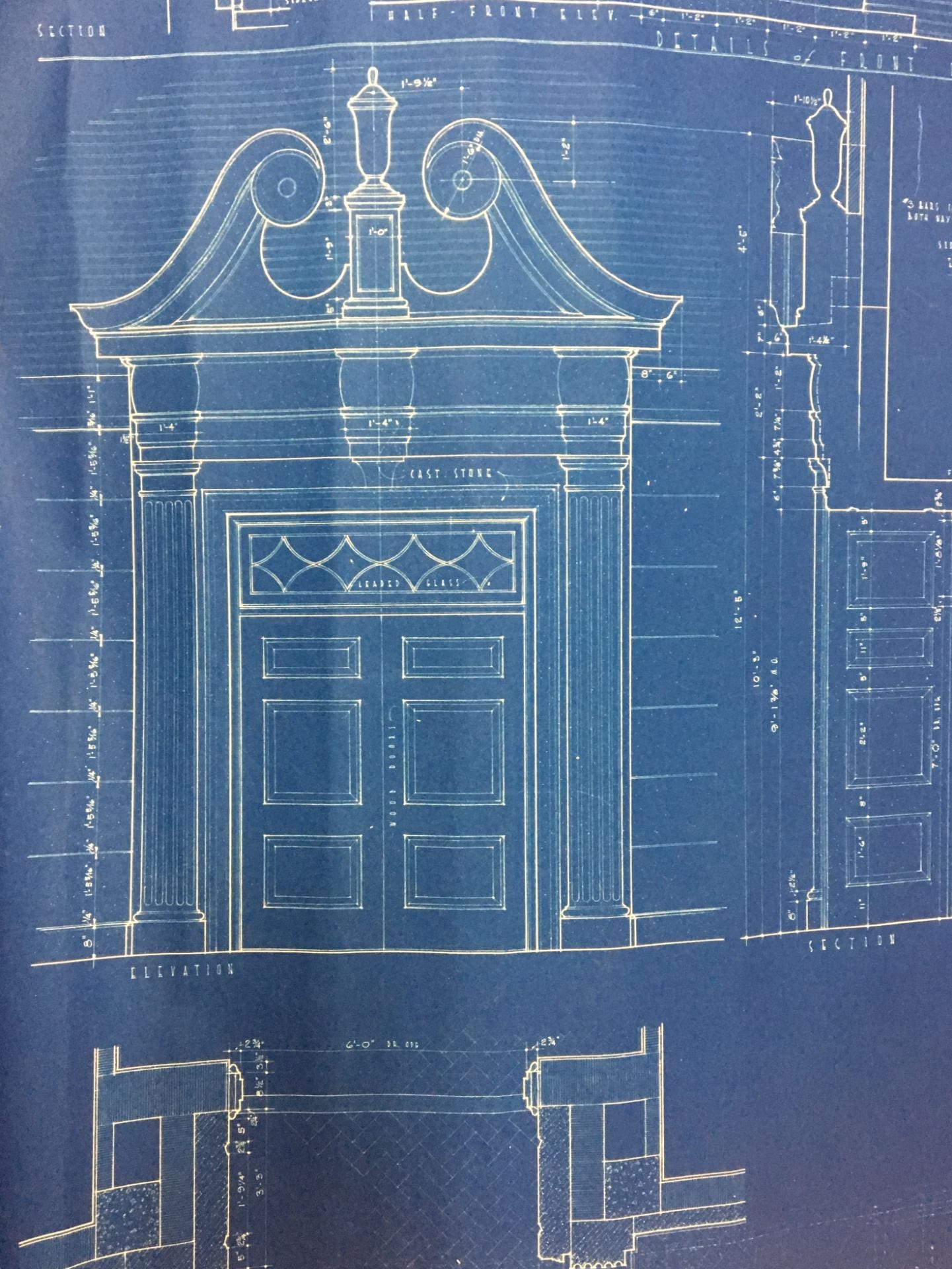
My grandmother was one of the first groups of women to live in Collins Hall, my mom lived and met some of her best college friends there, and I visited my sister in her fourth floor Collins room her freshman year. I moved into Room 154 of Collins Hall in August three years ago, and I’ll never forget my time there. All of these Collins connections made me particularly excited when I came across the original blueprints of Collins Hall during my time as an intern at The Texas Collection.
Ruth Collins Hall was completed in 1957 as an all-female residence hall. While not a lot has changed as far as the building itself, ways of life within the halls of Collins have drastically changed. At its completion, Collins was outfitted with multiple living spaces on the first floor that reflect student life at Baylor in the 1950s.
Upon entering the lobby, there are three living rooms, a study room, and entrance to the dining room. The living rooms were typically formal settings, where women could receive male callers, who first checked into the front desk—and only during visiting hours. The dining room was also a formal space, and dinners were held family style, where one student per week was assigned to serve the others’ plates before she served herself. After dinner, you may find the women of Collins roaming the halls in each other’s rooms, but only until their early curfew, when they were required to have their lights out.Continue Reading
Texas Over Time: Baylor University’s Old Main and Georgia Burleson Hall
Format Image
By Geoff Hunt, Audio and Visual Curator
Texas has changed quite a bit over the years, as is readily seen in our vast photograph and postcard collections. To help bring some of those changes to life, we’ve created a “Texas over Time” series of Meta Slider’s that will illustrate the construction and renovations of buildings, street scenes, and more. Our collections are especially strong on Waco and Baylor images, but look for some views beyond the Heart of Texas, too.
Baylor University’s Main building (1887) and Georgia Burleson Hall (1888) were the first two structures built when the institution moved from Independence, TX. Along with Carroll Library (home of The Texas Collection) and Carroll Science Building, both completed in the early 1900’s, these four structures form “The Quadrangle.” This was what comprised the university at one time. Then the institution grew across Fifth Street and behind these structures and well beyond including across the Brazos River. The photographs shown here show some of the changes over time that these buildings have withstood. Although modified and updated, they still stand proudly to this day and are the centerpieces of Baylor University.Continue Reading
Sharing Student Scholarship: Finances at Baylor University, 1890-1910
Our Sharing Student Scholarship blog posts showcase original scholarship written by Baylor students who conducted research using primary source materials in The Texas Collection. This post is the the third of five in a series of blog posts written by graduate and PhD students from the Fall 2018 Foundations & History of Higher Education Leadership course.
by Scott Alexander, Andrew Eastwood, Preston Templeman, and Mariah Duncan
Throughout the history of higher education, finances and funding have been necessary to animate and realize the mission of an institution. Finances can make or break an institution; therefore, strong leadership has always been important in making sure that the funds of an institution are being used to support both present function and foundation for the future. Funding comes from both internal and external sources to build endowments, provide student scholarships, pay institutional debts, make capital improvements, and supply for curricular and co-curricular resources. As industrialists built personal wealth during the 1890s and 1900s, the prevailing concept of the “Protestant work ethic” encouraged philanthropic stewardship of that wealth[1]. Higher education institutions capitalized on this ethic through targeted fundraising efforts[2].Continue Reading
Research Ready: March 2019
Archives, authors, Baptist missions, Baptist universities and colleges, Baptist women, Books, China, Cookbooks, diaries, female poets, Indonesia, letters, McLennan County, Mexico, missionaries, missions, newspapers, paper, Photographs, Research Ready, San Antonio, scrapbooks, Southern Baptist Convention, Southern Baptist Convention, Texas Baptists, Texas Federation of Women's Clubs, Texas poet laureate, Theology study and teaching
Each month, we post an update to notify our readers about the latest archival collections to be processed and some highlights of our print material acquisitions. These resources are primed for research and are just a sampling of the many resources to be found at The Texas Collection!Continue Reading
Texas Collection Teaching Fellows
The Teaching Fellows Program is offered each year to full-time Baylor faculty members and graduate teaching assistants through the Baylor University Libraries. This program supports research in one of Baylor’s six special libraries/collections, including The Texas Collection! Fellows spend time in these special libraries/collections over the summer with the expectation of implementing special collections in their courses that academic year. If you missed the Academy for Teaching and Learning (ATL) session, “Teaching with Special Collections,” here is a brief overview of The Texas Collection’s Summer 2018 Teaching Fellows.
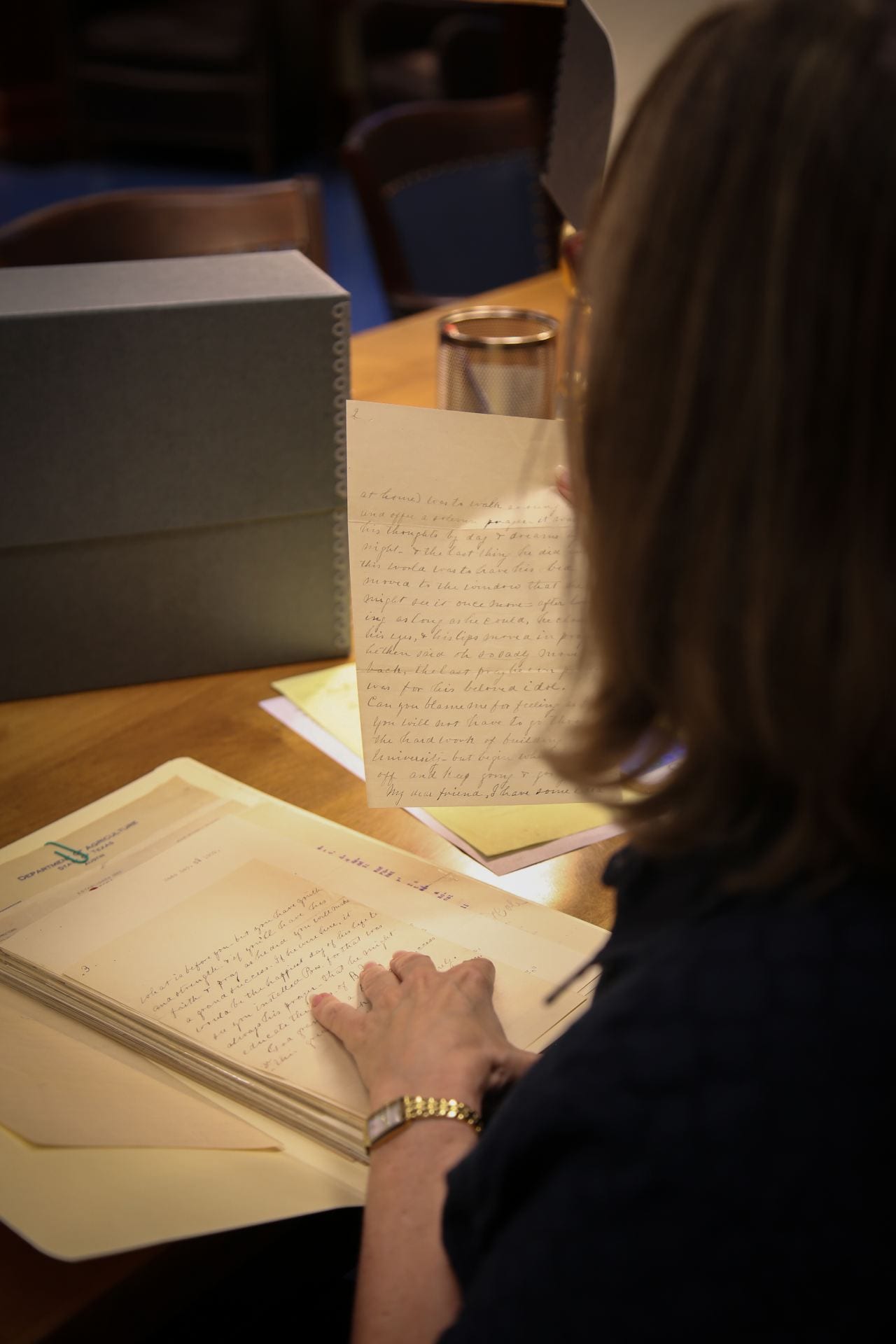 Dr. T. Laine Scales
Dr. Scales is a Professor of Higher Education as well as Social Work and serves the Baylor Graduate School as Associate Dean of Graduate Studies and Professional Development. In 2016, she was named as a Baylor University Master Teacher. Dr. Scales spent time this past summer looking through several early collections in the University Archives to be implemented in her Foundations & History of Higher Education Administration graduate level course in the School of Education. Students in this class were assigned to one of five themes: Access, Curriculum, Finance, Students, and Religion. Through these themes, they researched Baylor’s history from 1890-1910 and a particular topic that fit with their assigned theme. Students were able to connect what they were learning in class about the history of higher education on a national level with history on a local level while gaining valuable research skills within the archives. Students were required to complete individual papers using materials from the archives as well as group blog posts, which The Texas Collection has been posting throughout this semester (see our “Sharing Student Scholarship” series).Continue Reading
Sharing Student Scholarship: Access at Baylor University, 1900-1910
Our Sharing Student Scholarship blog posts showcase original scholarship written by Baylor students who conducted research using primary source materials in The Texas Collection. This post is the second of five in a series of blog posts written by graduate and PhD students from the Fall 2018 Foundations & History of Higher Education Leadership course.
by Rachel Jones, Rachel Ticknor, Rachel Henson, Jillian Haag, and Lela Lam
Following its merger with Waco University in 1886, Baylor University set forth a series of initiatives that were progressive in terms of extending college access to various student groups-specifically to women and transfer students. These initiatives included Baylor’s promotion of coeducation and the university’s establishment of formal articulation agreements with Texas high schools and other Baptist colleges. Because of these efforts, a Baylor education had become more accessible to a wider network of students. However, despite these progressive strides, some students (mainly female students) still faced inequality and a lack of access to certain resources/activities once they actually matriculated on campus.
With the establishment of the Baptist General Convention of Texas (BGCT)’s Education Commission in 1897, Baylor focused on leveraging the Commission’s existing partnerships in order to create formal articulation agreements with the other correlated Baptist colleges. Under these agreements, students that completed a standardized two-year curriculum and graduated from the affiliated colleges could transfer to Baylor, without an entrance examination, in order to complete their four-year degree. Baylor utilized a similar model in order to establish formal articulation agreements with a variety of high schools. These two initiatives collectively increased access for, and enrollment of, students who graduated from the affiliated high schools and colleges.
Despite their successes, it is possible that some of Baylor’s most groundbreaking initiatives were inherently exclusionary towards students who did not belong to/identify with the parameters that had been established (e.g. students who did not attend the affiliated high schools or colleges). Moreover, Baylor did not ensure that all students would receive equal levels of access to campus resources and programs once they actually enrolled at Baylor, which resulted in a sense of tension among the university community.
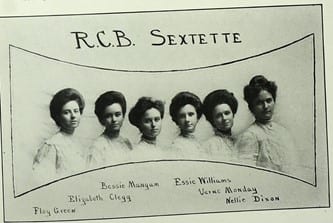
This tension is perhaps most evident in the experiences documented by Baylor’s female students and faculty members between 1900 and 1910. Although Baylor had taken a rather progressive stance on coeducation and allowed men and women to meet in the classroom and in the chapel together, women still faced unfair treatment in terms of housing policies and educational, financial, and extracurricular opportunities. Two examples of this treatment are evident when one takes a closer look at the student literary societies and faculty job opportunities.

As with most topics regarding student access during this time, the issue of women’s participation in literary societies was complex. There was collaboration and partnership between the male and female societies, but this did not always result in equality for their respective members. Though there were a number of benefits that came from women’s membership in literary societies, it is evident that when compared to their male counterparts, female students who chose to participate in such societies faced marginalization. This marginalization is especially evident when one considers the limited opportunity for scholarships.
In a similar vein, female faculty members at Baylor also experienced inequality. Although Baylor had taken a progressive stance on hiring more female faculty members, women comprised less than half of the faculty, were paid less than their male counterparts, and were generally considered lower-level “instructors” rather than full professors. In addition, Baylor rarely hired married female faculty members, notwithstanding that the majority of male faculty were married. All of these examples confirm that Baylor female faculty members faced inequality that was similar to what Baylor female students faced.
As progressive as Baylor was in 1900 to 1910, it was still a far cry from the experience that Baylor women have today. Finally, as Baylor continues to extend access to a variety of students, the university should build intentional partnerships whilst remaining mindful of any possibilities of exclusion.
Texas Over Time: Paul Quinn College-Waco Campus
Texas has changed quite a bit over the years, as is readily seen in our vast photograph and postcard collections. To help bring some of those changes to life, we’ve created a “Texas over Time” series of Meta Slider’s that will illustrate the construction and renovations of buildings, street scenes, and more. Our collections are especially strong on Waco and Baylor images, but look for some views beyond the Heart of Texas, too.
By Geoff Hunt, Audio and Visual Curator
Paul Quinn College-Former Waco Campus
The Rapaport Academy Public School and Doris Miller YMCA locations at 1020 Elm Avenue, Waco, TX., are housed on grounds and buildings that were once home to Paul Quinn College. This African American institution was originally started in Austin, TX., in 1872, as the Connectional High School and Institute for Negro Youth. When the school moved to Waco in 1877 on 8th and Mary Streets, it was known as Waco College and taught trades such as blacksmithing, carpentry, and tanning to newly freed slaves. It became Paul Quinn College in 1881 named after Bishop William Paul Quinn, the fourth Bishop of the African Methodist Episcopal Church. It was then relocated to Elm Avenue in east Waco on 20 acres of land that was once part of the Garrison Plantation. By 1979, the operating budget of the college was 2.5 million dollars and operated on funding by the A.M.E. Church, United Negro College Fund, federal funding, and private donations. In 1990, Paul Quinn College moved to Dallas, TX., where it is still in operation. The institution is the oldest liberal arts college for African Americans in the state of Texas. While the previously mentioned institutions house many of the former Quinn campus buildings, William Decker Johnson Hall (below) has remained vacant since the college’s move to Dallas.Continue Reading
Young Texans During World War I
by Amanda Neel, Graduate Assistant
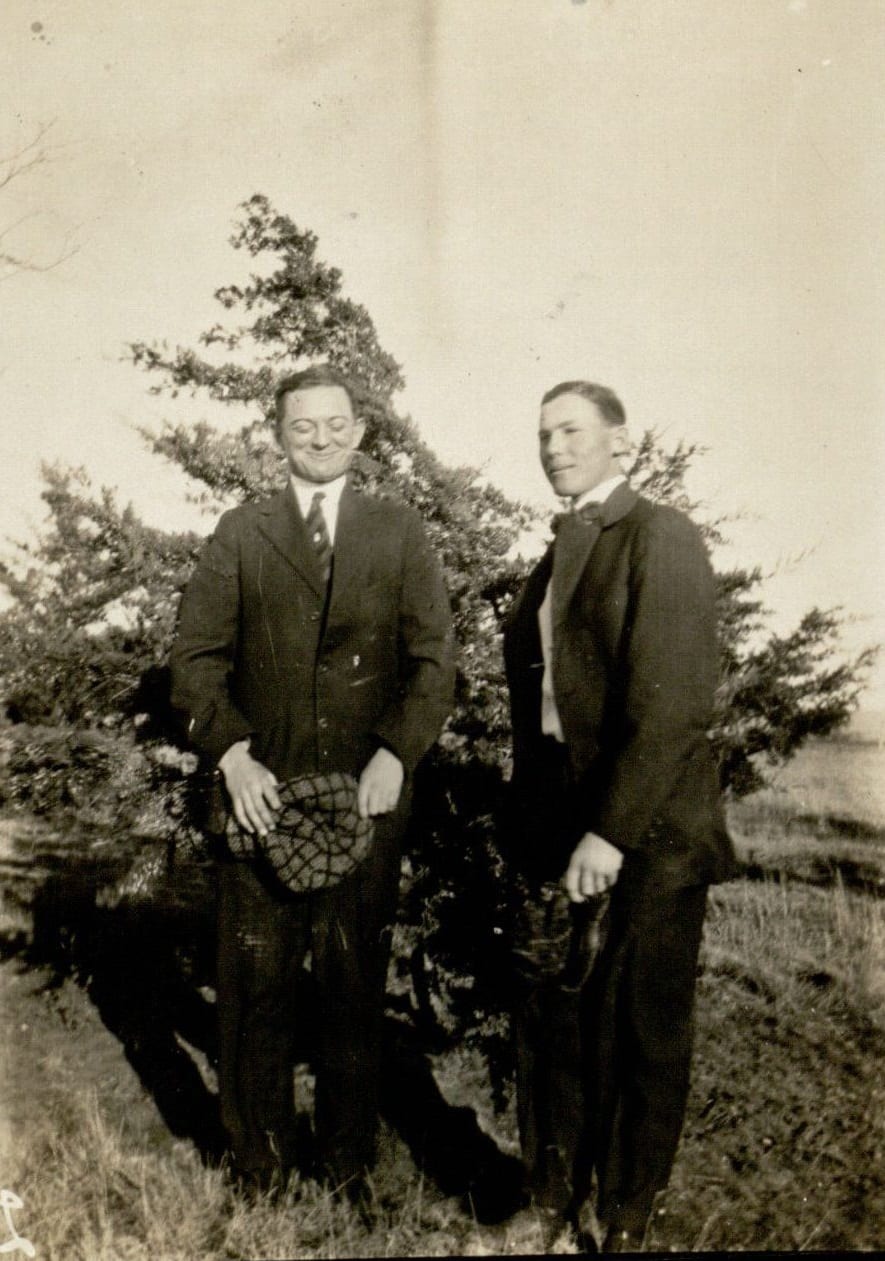
Before Judge Drummond Webster Bartlett (1895-1963) began his illustrious law career and made national headlines for presiding over the world’s first televised trial in 1952, he was a social young man attending junior college.
This portion of his life is now a part of The Texas Collection through a donation of documents, known as the Drummond Webster Bartlett papers, 1911-1921. A sampling of letters drawn from the collection gives insight into the lives and minds of young adults in the early 20th century, specifically the years between the start of World War I and the United States’ entrance into the war in 1917.
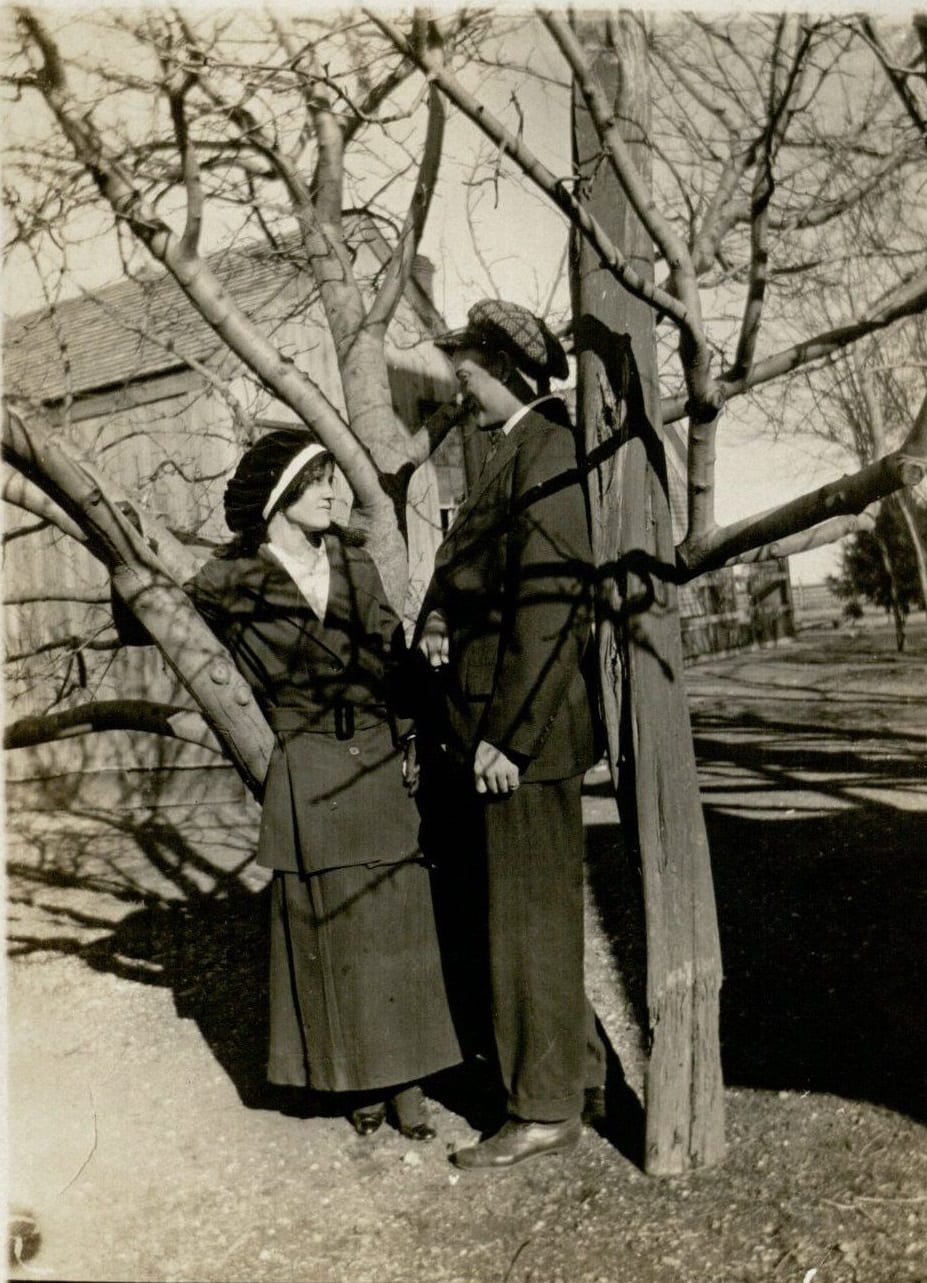
The largest portion of letters span the years 1915-1917 and come from Lois Kirby, a sweetheart of Drummond’s. Her letters showcase how the concerns of young Texans evolved through the years of World War I. Even though World War I started in 1914, Lois’ letters concerned parties, social calls, her work as a teacher, and, of course, her love and concern for Drummond. Not until 1917 does Lois address the war; she writes, “Everyone here seems to be getting enthused over the war. A Red Cross auxiliary was organized here last night.”
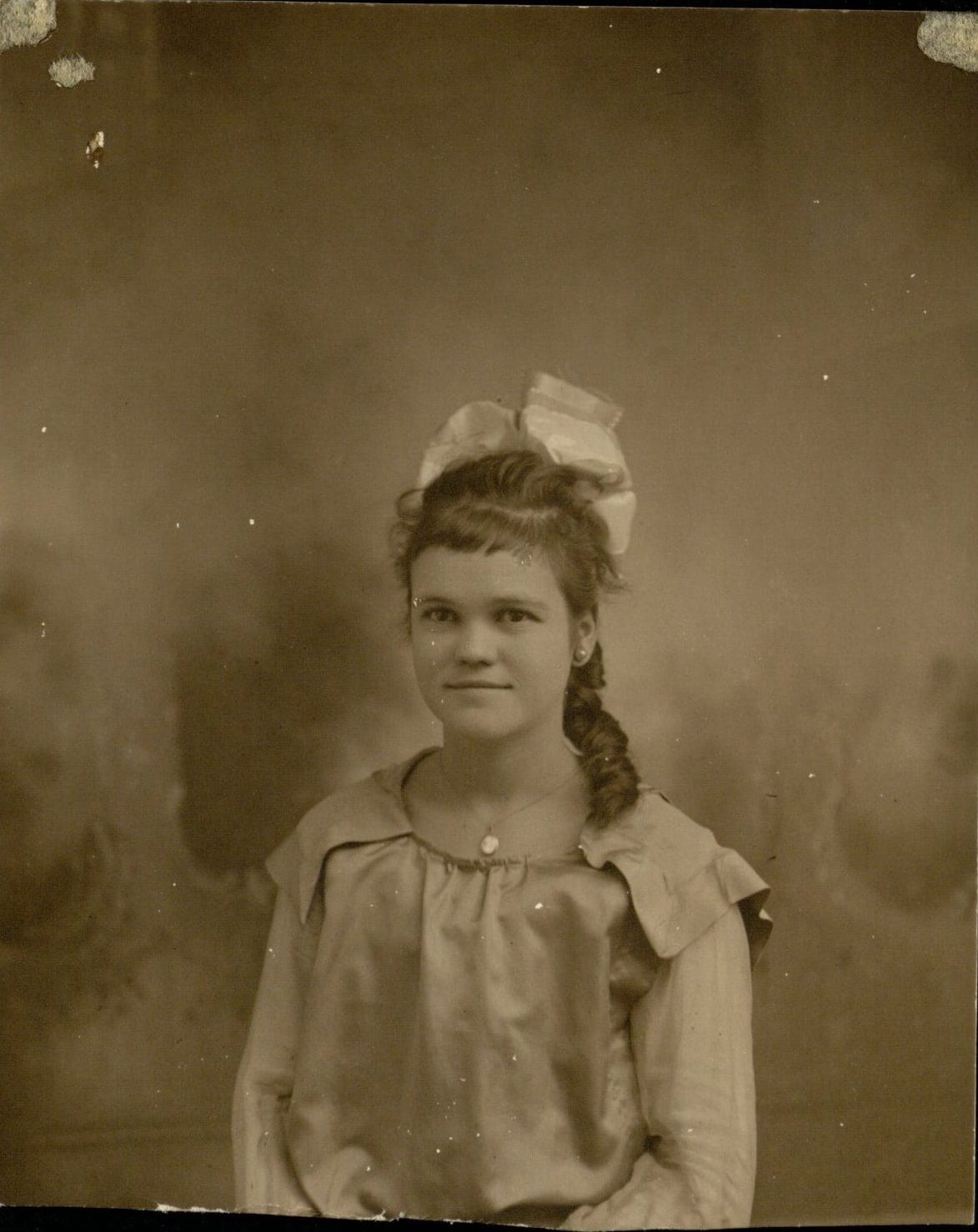
A year later, Drummond joined the war effort himself. Another sweetheart, Nelle Gentry, wrote to Drummond in support of his military effort. In a letter addressed to her “Darling Soldier,” Nelle writes, “I have been crazy with joy for you…because you answered your country’s call and have given all ties of home and loved ones to go and do you[r] bit.” Her following letters contain accounts of friends and acquaintances involved in the war effort, as well as lines about her enduring love for Drummond.
Sadly, we do not have Drummond’s responses to the letters from his sweethearts. Though the sentiments expressed through the letters speak of undying love, the relationships did end. Bartlett’s marriage took place outside the scope of this collection. In 1933, Drummond Bartlett married a woman named Bessie Opal Smith. They remained together until Bartlett’s death in 1963.
Along with letters from sweethearts, Drummond’s papers also contain materials from his life as a junior college student, including homework assignments, society publications, and yearbooks. Also in the collection are military records documenting Drummond’s answer to the draft and his discharge in 1919, as well as a plethora of photographs that visually document his early life.
Research Ready: February 2019
Each month, we post an update to notify our readers about the latest archival collections to be processed and some highlights of our print material acquisitions. These resources are primed for research and are just a sampling of the many resources to be found at The Texas Collection!Continue Reading